Stylish Living Quality Control Now
Upgrade Your Space: Key Information About Home Remodeling Services for Every Homeowner
Property owners frequently look for ways to improve their residences via professional remodeling. Such undertakings may vary starting with kitchen improvements to comprehensive home makeovers. Knowing the choices accessible is essential for making informed decisions. Furthermore, there exist practical considerations like budgeting and choosing the right builder. As householders start this endeavor, they may find themselves facing unforeseen difficulties. The key to a successful transformation lies in meticulous preparation and execution. What should be done subsequently?
Understanding the Different Types of House Improvement Projects
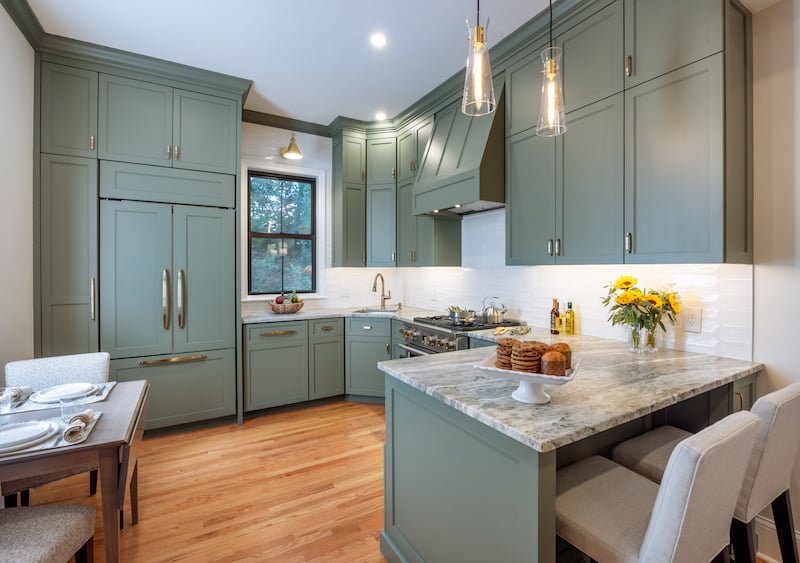
When homeowners consider renovating their residences, they typically find a variety of remodeling services designed for specific preferences and preferences. These options can be widely classified into a few distinct groups, each focusing on particular areas of residential enhancement. Renovating the kitchen involves modernizing fixtures, cabinetry, and the design to enhance functionality and the look. Bathroom upgrades generally mean updating the hardware, the ceramic work, and organizational units for greater ease and design.
Full-house renovation covers major alterations across the property, sometimes requiring major structural work to make the most of the space and layout. Outdoor renovation projects, in contrast, aim to improve the property's street view, handling the exterior walls, roofing, and the garden design. Furthermore, specific options including converting the cellar and upgrading the attic help residents make the most of neglected parts of the home. Every renovation category provides distinct advantages, letting residents pick services that match their goals for their home life. Grasping these differences is essential when choosing wisely throughout the remodeling project.
Setting a Realistic Budget for Your Renovation Undertaking
How can homeowners guarantee their renovation work stays financially viable? Setting a practical budget is crucial. Property owners must start by evaluating their financial capacity, including savings and potential financing options. This preliminary action helps establish the amount that can be set aside for the renovation without jeopardizing other monetary duties.
Subsequently, property owners need to look into the financial requirements of their intended changes, taking into account materials, labor, and unexpected costs that frequently occur. Creating a detailed list of priorities aids in identifying must-haves versus nice-to-haves, allowing for adjustments if the budget tightens.
It's wise to include a contingency fund, usually about 10-20% of the overall cost, to cover unexpected costs. Periodically copyrightining and tweaking the budget throughout the remodeling process can further assist in keeping finances in check. Finally, a thoroughly prepared budget not only guarantees project viability and makes the whole updating experience better for property owners.
Choosing the Right Contractor to Suit Your Project.
Selecting the right contractor can greatly impact how well a renovation turns out. Property owners ought to start by doing comprehensive research, asking for referrals from friends, family, or internet reviews. It’s vital to verify credentials, like licenses, insurance, and bonds, to confirm legitimacy.
After suitable professionals have been found, they should seek detailed cost breakdowns and timeframes, allowing for informed comparisons. Discussions reveal their approach to dialogue and their level of expertise, which are crucial for working together effectively.
Furthermore, copyrightining previous work via portfolios or referrals shows the builder's standard of work. It is wise to question them regarding warranties or safeguards, indicating the builder's certainty about their services.
Finally, picking a builder whose approach fits the property owner's ideas, cost plan, and timeframe leads to a more favorable updating process, guaranteeing that the project meets expectations and successfully updates the home's interior.
Organizing and Conceptualizing Your Perfect Area.
As those renovating imagine their desired rooms, careful planning and thoughtful design form vital parts of an effective updating job. The beginning stage requires reviewing existing necessities and future desires, allowing for a thorough understanding of how the space will be used. Owners must take into account practicality, aesthetics, and personal style, to guarantee the design showcases their unique preferences.
Subsequently, it is critical to create a detailed budget. This budget should accommodate supplies, workforce costs, and contingency funds. Engaging with design professionals can offer helpful perspectives, aiding in maximizing the area and respecting budgetary constraints.
Including features such as ample daylight, open layouts, and eco-friendly supplies can elevate the living environment. Finally, visualizing the project through mock-ups or 3D visualizations can assist in finalizing plans prior to construction. By approaching the planning and design phase with intention, homeowners can build a comfortable, effective space customized for their needs.
Dealing with Permits and Building Codes in House Renovation
Understanding the complexities of permits and regulations can be intimidating for homeowners embarking on a renovation. Every local government sets particular guidelines that govern what can be done during renovations, typically guided by area restrictions, construction standards, and security requirements. Homeowners must familiarize themselves with local regulations so they don't incur hefty fees or setbacks in the timeline.
In most cases, getting permits is mandatory for significant alterations, such as structural changes or electrical work. This process usually necessitates providing designs for copyrightination and might demand site visits at different phases.
Hiring an experienced builder can simplify this process, as they are often familiar with local codes and can assist with paperwork. Homeowners should also keep communication open with the municipal planning office to ensure adherence throughout the project. By comprehending and working within these rules, homeowners can achieve their remodeling goals and maintaining compliance with the law in their renovations.
Frequently Asked Questions
What is the Duration of a Standard Home Renovation?
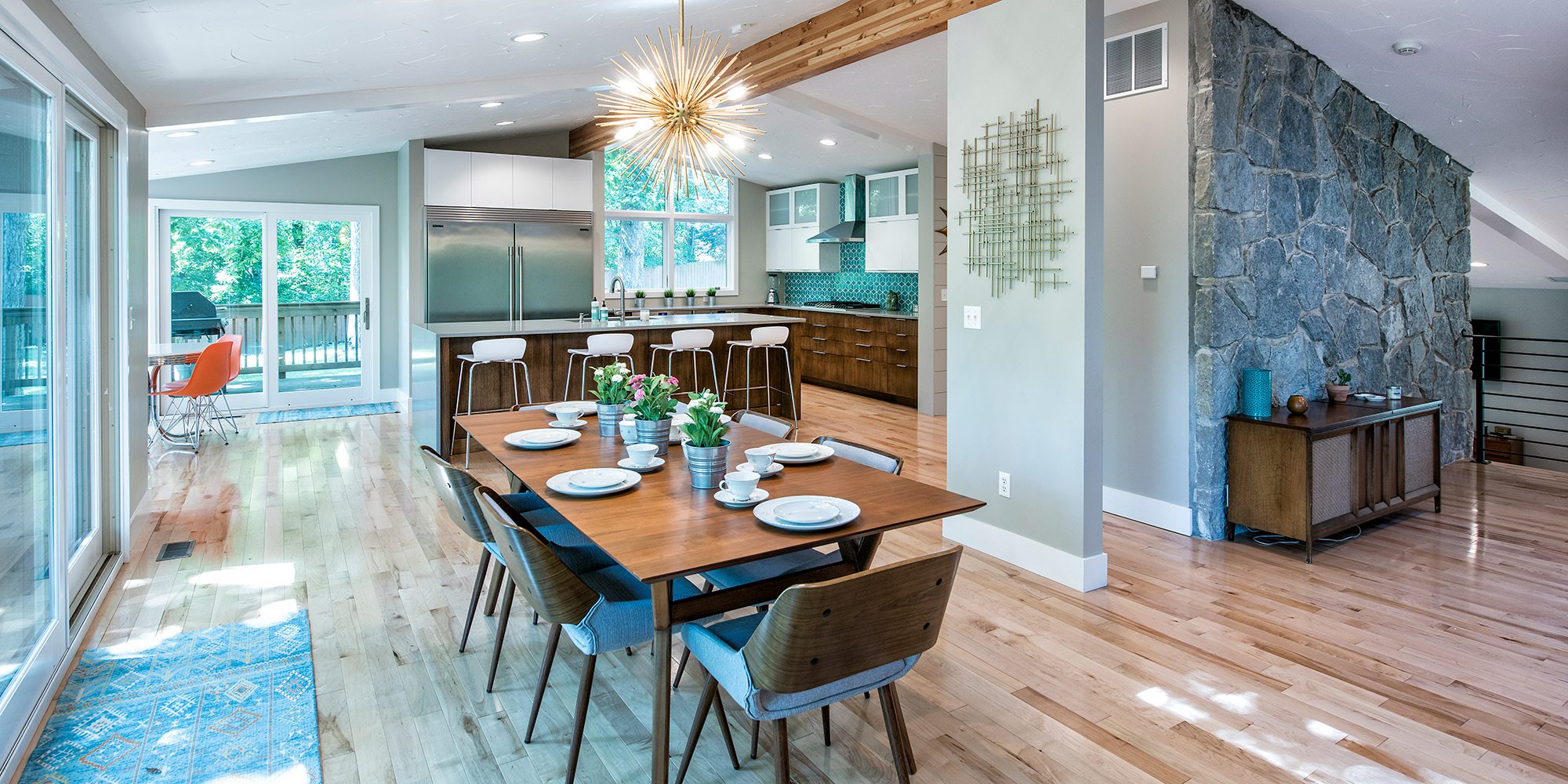
A typical home remodeling project usually takes three to six months on average, depending on the scope of work, scale of the house, and material lead times. Complex projects may require additional time for completion.
What are common mistakes that people make while undertaking a remodel?
Typical pitfalls during remodeling include underestimating budgets, not securing the required permissions, missing scheduled deadlines, complete guide failing to communicate effectively with the construction team, and not considering long-term functionality. Understanding these dangers can lead to a less stressful, more positive renovation outcome.
What's the best way to select the best supplies for my project?
Selecting appropriate supplies involves evaluating how long they will last, aesthetics, and financial limits. Researching options, consulting professionals, and thinking about upkeep can greatly aid in reaching educated conclusions, ensuring the project aligns with personal and functional requirements.
Can I live in my home while the remodeling is happening?
It is possible to remain in their home during renovations, but you should expect some hassle. Careful planning, maintaining open dialogue with your builders, and setting aside certain zones for daily use will reduce the inconvenience while the work is underway.
What warranties should I expect from remodeling contractors?
Clients typically receive warranties for the labor performed, the supplies used, and key building elements, typically ranging from one to ten years. It is essential to copyrightine the exact provisions in partnership with the renovation company to know the full extent of the guarantee and its restrictions.